


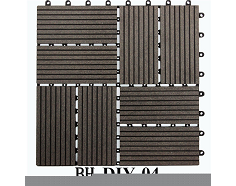


Wall panels are decorative elements that are used to enhance the appearance of the walls in a home or commercial space.
They are made in a variety of materials, such as wood, metal, or composite materials, and come in many different styles to fit the desired aesthetic. Wall panels can be installed vertically or horizontally and can be used to cover the entire wall or just a portion of it.
They can also be designed to add insulation and sound-proofing properties to a room. Wall panels are often used in high-end interior design and renovation projects to create a unique and polished look.
Wall Panels Products


Top Benefits of Wall Panels
One of the main benefits of wall panel is it helps prevent damage around high-traffic areas in your house. As everyone knows, it's quite impossible to keep your walls safe from bumps, scuffs and wear. Whether it's your kids running all over, you coming in with your bike, or chairs hitting the wall when you sit for dinner, caring for this essential element of your house is a must. Another perk worthy of mention is panels are easy to clean and maintain, so you don't have to be constantly worrying about the usual tear and wear on your walls.
Help increase property value
Wall panelling has been traditionally associated with luxury and high-value real estate. If done right, and as part of an interior design general concept, panels would further increase the value of your property. Also, related to this, panels add an extra layer of insulation to your walls, which also contributes -only if slightly.
Hide defects on your walls
Another top benefit of installing wall panels is they'll help you hide flaws! Of course, don't try to just "cover-up" dump, prominent cracks or serious issues with these. MDF wall panels will come in handy if you want to conceal rebel spill marks, uneven paint, and small dents.
Wall panels are waterproof and affordable
As wall panels also offer a protective waterproof layer, they are a great option for every room. From your entry hall to your toilet and laundry, don't think of wall panelling as a feature worthy only of the most "important" areas of your house.
When it comes to choosing the right wall panels for your outdoor spaces, there are several factors to consider. One of the most important factors is the size of the panels. You will need to measure the area you want to cover and choose panels that are the appropriate size for your needs. It is also important to consider the thickness of the panels, as thicker panels tend to be more durable and provide better insulation.
The color and style of the panels are also important considerations. wall panels come in a range of colors and styles to suit different design preferences. You should choose a color and style that complements the overall design of your outdoor space and enhances its aesthetic appeal.
Another important factor to consider is the level of maintenance required. wall panels are known for their low maintenance requirements, but it is still important to choose panels that are easy to clean and maintain. You should also consider the warranty offered by the manufacturer, as this can provide you with peace of mind and protection against defects or damage.
Wall panel is a great way of adding some architectural detail to your home, you can create a focal point, hide cables from entertainment systems and it is an ideal solution if you want to hide flaws, dents or cracks on damaged walls.
Apart from adding visual appeal and depth to a space, wall panels also work to keep rooms insulated as panelling is warm and provides acoustic insulation which is great at keeping noise out.

What Are the Most Important Things to Consider with Wall Panels?
Consider the impact of daily traffic on the exterior wall cladding of commercial buildings, particularly below ten feet. Wall panels are an excellent option, offering impact resistance, scratch resistance, graffiti resistance, wind and UV resistance. While the effects of some of these impacts are gradual, namely wind and UV rays, these are still extremely important factors to account for upfront.
Any material being considered for exterior wall cladding should be able to withstand wind loads and the harsh effects of UV rays on coloration. Read more about the durability of exterior phenolic wall panels, including their colorfastness, here.
Regardless of the location of your wall panel system, be it interior or exterior wall cladding, a simple and straightforward installation process is important. A wall panels offers different installation methods, orientations, and fastening options which provide not only ease of installation but also flexibility of design.
Remember: An exceptional design cannot be fully realized if it cannot be properly installed. Likewise, “saving” money on an inferior product will turn costly when installation becomes a complicated nightmare. Do not underestimate the cost of installing wall cladding that is overly-complicated, confusing, or requires obscure tools or fasteners.
Architects and builders are well aware that code compliance and fire-rating are extremely important things to consider with wall cladding. As a reminder, regardless of the material or manufacturer you may consider, it is essential to choose companies who value safety and can prove it.
When investing in something like exterior wall cladding, it is critical to consider the longevity of the material and the warranty that covers it. Wall panel longevity can be compared based on durability, sustainability, and product quality.
Wall panels have a lifespan of 40-60 years. The superior longevity offered by wall panels is rooted in the durability and low maintenance of the material, allowing the wall cladding to continue performing without needing to be replaced, thus reducing waste while ensuring buyers get their money's worth.
Maintenance Tips: Wall Panels
Regular cleaning
Wall panels don't require tedious maintenance and upkeep, just regular cleaning with a soft brush and warm water. It is important to note that you must not use harsh chemicals or abrasive materials, which can cause irreversible damage to your panels.
Preventive measures
Avoid scratching your wall panels with sharp objects and placing heavy objects on top of the panels. Wall panels have good durability but incorrect use can cause serious damage to the panels.
Regular inspection
Regularly inspect your panels for signs of damage, such as cracks or loose wall panels. Repairing and replacing damaged or soon-to-be-damaged panels in a timely manner will go a long way in maintaining the integrity and aesthetics of your walls.
How to Install Wall Panel?
The design and use of wall panels have become more common in recent years, with more homeowners willing to choose them to add color to their homes. But how to install a wall panel is a question that many homeowners want to know. It's so easy to install that you can even do it yourself. We will discuss how to install the wall panel in detail and bring some unique design ideas.
Before installing wall panels, you need to understand the preparation, installation steps, and maintenance tips.
Measurement and planning
Determine how many WPC panels you need by accurately measuring the size of the installation area. Make sure you purchase enough panels to prevent surprises. Consider the unique construction inside the room, such as doors, windows, or other architectural features, and plan the layout of the wall panels reasonably.
Wall preparation
Make sure the wall is clean and dry. Thoroughly clean your walls, removing all dust, dirt, and various debris. If there are cracks or damages on your wall, please finish repairing the wall before installation.
Panel cutting
Measure and mark the required dimensions on the WPC panels. Use a saw to cut the panels according to your markings.
Wall panel installation
Start the installation from the bottom of the wall. Apply adhesive evenly to the back of the first panel. Mount the panels correctly on the wall and align them using a level. Use screws to secure the wall panels in place, making sure to drive the screws through the wall and into the wall. Repeat the process until all WPC panels fit snugly and remain aligned.
Connecting the panels
If the panels need to be connected vertically, then install them using the manufacturer's specialized connection system. Strictly follow the manufacturer's installation requirements to ensure that the panels are connected correctly and securely. This has a direct impact on the durability and longevity of the panels.
Wall panel trim
If necessary, use a saw to trim excess or protruding edges of the panels. Use sandpaper to sand the edges of the panels to ensure a smooth appearance with no gaps. Afterward, clean your WPC wall panels with warm soapy water and a soft brush to remove any surface residue and dirt.
FAQ
Q: What is a wall panel?
Q: What are panels on walls called?
Q: How do you use wall panels?
Q: What are the benefits of wall panels?
Q: Are wall panels expensive?
Q: Are wall panels cheaper than drywall?
Q: Are wall panels a good idea?
Affordable, versatile and eye-catching, wall panelling is a smart way to instantly transform your home, whether that's adding character to a new-build or enhancing that sense of old-world grandeur in a period property.
Q: What is the cheapest way to panel a wall?
Q: Are wall panels good?
Q: Why do people put paneling on walls?
Q: How durable are wall panels?
Q: Are wall panels easy to install?
Q: Does wall paneling increase home value?
Q: Is it easy to fit wall panels?
Q: Are wall panels in style?
Q: How long do WPC wall panels last?
Q: (34)Which is better PVC or WPC?
Q: Is WPC panel expensive?
Q: Is WPC more expensive than wood?
Q: Is WPC good for exterior?
Bohan Electronic is one of the largest wall panels manufacturers and suppliers in China. If you are looking for high quality wall panels, don't hesitate to wholesale the product with our factory any more. They are designed and manufactured by the most professional staff, you can rest assured to buy.
textured wall panels, wallpaper like wall panels, pastel color wall panels , wpc wall board , wpc decorative wall board , wpc wall cladding , WPC Wall Panel , External Wall Panel , WPC External Wall Panel , Exterior Wall Panel , Waterproof Wood Plastic Composite Wall Boards , Waterproof wpc Wall Boards , wpc Wall Boards