


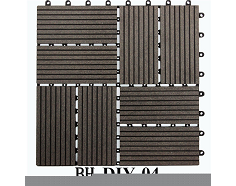


PVC decking is a type of synthetic decking material made from polyvinyl chloride (PVC). It is designed to mimic the look of wood while offering more durability and lower maintenance needs. PVC decking is resistant to water, stains, scratching and fading and is an ideal material for outdoor decking projects. It is available in many different colors and textures, and can be installed in a variety of ways including hidden clip systems, traditional fasteners, or grooved boards that allow for secure attachment without visible screws or nails.

Pvc Decking Products

Advantages of PVC Decking
Durability: PVC decking is made of a stronger material than wood and is less prone to wear and tear.
Low maintenance: Unlike wood decking that requires frequent staining, PVC decking does not require any maintenance, making it a cost-effective choice.
Resistant to moisture: PVC decking is also waterproof, making it the preferred choice in areas with high humidity and moisture.
Fire-resistant: PVC decking is resistant to damage from fire, which is an important advantage when building a deck.
Resistant to fading: PVC decking is resistant to fading from the sun's UV rays, making it a long-lasting choice for outdoor applications.
Eco-friendly: PVC decking is made of recycled materials that are environmentally friendly.
Aesthetically pleasing: PVC decking comes in a range of colors and designs that enhance the look of your deck.
How to Protect Your PVC Decking from Warping?
PVC decking is a type of plastic decking popular for its ease of installation, durability, and high value. These benefits are not without drawbacks. However, one issue with PVC decking is that it can warp due to temperature changes or sunlight exposure. There are ways to minimize the occurrence of deck warping by using superior materials and methods while also protecting your investment in quality material. Here are some tips on how to protect your PVC decking from warping.
Generally, the thicker the PVC decking is, the more time it takes to warp, and vice versa. For example, a ½-inch-thick piece of PVC decking can warp in about six hours when exposed to extreme heat outdoors, while a ¾-inch will take up to eight hours or longer under similar conditions. As such, it is recommended that you buy thicker PVC decks if excessive sun exposure is common in your area.
The color of your decking can also affect its ability to withstand exposure to sunlight. If you plan on protecting your decking with a protective coating, choose a shade-resistant color that will allow UV light penetration yet still provide protection.
Another tip for protecting your PVC decking from warping is using a coating on its surface. This type of protective coating not only extends the life of your deck but also minimizes the occurrence of warping by protecting it from harmful uv rays and moisture. To keep it from cracking, note that this coating must be reapplied when the surface shows signs of peeling.
Another secret to how to protect your PVC decking from warping lies in the selection of underlayment. Specifically, you must use a heat-resistant type of fibrous felt. This type of material extends the life of your decking and is highly effective in resisting warping due to temperature changes.
Another essential step in preventing warping is placing your PVC deck as close to the ground as possible. In most cases, decks positioned at least 8 inches lower than their neighbors will not warp significantly over time. This is because gravity keeps unwanted moisture from accumulating near the surface of your exterior deck.
Aside from the type of protective coating you use, it is also crucial that you choose a high-quality primer. An inferior primer will not only fail to protect your deck, but it can also cause warping. For this reason, always select high-quality primers made by reputable manufacturers.
If your PVC decking is constantly exposed to moisture, it is bound to warp and deteriorate over time. For this reason, inspect your deck's surface regularly for any sign of cracks or bubbles resulting from water buildup. Properly repair these signs before they become a big problem.
PVC Decking VS Composite Decking
PVC deck boards usually remain cooler during hot summers, so they are often easier to walk on with bare feet. They also cool down much quicker than composite decking, which holds the heat for a longer time.
Although PVC decking cost is more expensive, they have even lower maintenance than composite. Composite decking is often more affordable but does require a bit more maintenance.
PVC deck boards are extremely lightweight and easy to work with, whereas composite decking is very dense and heavy.
Both composite and PVC decking is resistant to water, mildew, mold, and rot. Both are excellent choices when considering a new deck.
PVC decking will never rot, splinter, split, warp, or decay like wood. The wood in composite decking will eventually break down, but they'll be almost maintenance-free before that happens.

When it comes to longevity, PVC decking generally takes the lead. With proper maintenance, PVC decking can hold up for over 50 years.
In comparison, the lifespan of composite decks, particularly those made from wood-plastic composites, usually stretches up to 25-30 years.
The reason for PVC decking's longevity lies in its material composition. Its all-plastic makeup gives it superior resistance to any moisture-related issues that organic materials can experience, like mold or rot.
How to Avoid Scratches on Your PVC Decking?
Despite being resistant to scratching, you will still want to avoid any potential risks that can damage your decking. Fortunately, there are various ways to protect your patio.
One of the main reasons why decking gets grazed is due to heavy furniture. As much as possible, use light furniture and fixtures on your outdoor patio. It's also best to avoid the ones with metal footings, as they can easily scrape your decking. Carelessly moving objects around your decking can also be a potential cause for scratching.
If you do need to place heavy fixtures, you may want to consider getting furniture pads. Alternatively, you can use outdoor rugs. However, make sure to use ones with soft-backing. Not only can they scratch your decking, but rugs with metal accents or rubber backing can also cause stains.
All types of decking materials, even wood, will get hot when exposed to high temperatures. However, synthetic decking, including PVC, will get considerably warmer than wooden decking. Naturally, various factors may affect how hot your decking can be.
For instance, the colour of the decking will affect how fast it can get hot. How so? Dark colours will absorb more light, which in turn produces more heat. On the other hand, lighter colours reflect more light, which helps prevent heat from accumulating. That's why you will feel hot when you wear dark-coloured clothes during the summer. The same goes for decking. So if you want a cooler decking, avoid getting dark shades and choose lighter colours.

Factors to Consider When Selecting PVC Decking
Durability: PVC decking should be able to withstand various weather conditions, including moisture, heat, and UV rays. Look for a product with a long lifespan and a strong warranty.
Color options: PVC decking comes in a variety of colors, so choose one that complements your outdoor space and house. Make sure that the color you choose doesn't fade quickly.
Texture: There are smooth and textured PVC decking options available. If you have children or elderly family members, the texture should be slip-resistant to prevent accidents.
Maintenance: PVC decking requires low maintenance, but you should still find a product that's easy to clean. Ask the manufacturer about any specific cleaning instructions before making a purchase.
Cost: PVC decking is more expensive than traditional wood decking, but it's long-lasting and requires less maintenance, which can save you money in the long run. Set a budget and look for PVC decking options within it.
Sustainability: PVC decking isn't sustainable, but some products have a lower environmental impact than others. Look for PVC decking made from recycled materials and that has sustainable certifications.
Installation Consider the installation process of PVC decking. You can have it installed by a professional or do it yourself. Choose a product with easy installation instructions, especially if you're planning to do it yourself.
How to Solve the Problem of Bending Deformation in the Extrusion of PVC Decking?
Bending deformation of PVC decking is a common problem in the extrusion process, and its causes are mainly: Uneven discharge of material from the mouth die, inadequate cooling of materials and inconsistent post-shrinkage when cooling and shaping, equipment and other factors.
Assemble the mouth die carefully before starting the machine to make the gap of each part consistent. If the uneven material discharge from the mouth die is found when starting the machine, adjust the temperature of the mouth die according to the bending and deformation direction of the billet to ensure the uniform material discharge from the mouth die, if adjusting the temperature of the mouth die is not effective, the plasticization degree of the material can be increased appropriately.
Pay close attention to the working quality of the mold, pay attention to the maintenance of the mold, and maintain and repair the mold at any time according to the actual situation.
Ensure the concentricity and level of the whole line of the extruder, and correct the concentricity and level of the extruder, mouth die, sizing die and water tank at each die change.
Adjust the cooling system of the shaping mold and increase the cooling water on the side of the profile bearing tensile stress.
Adjust the method of mechanical offset center, that is, while producing, adjust the positioning bolt in the middle of the shaping mold, and make reverse micro adjustment according to the direction of profile bending (the method should be adopted with caution, and the adjustment amount should not be too large).
FAQ
Q: What is the difference between PVC decking and composite decking?
Q: Is PVC decking cheaper than composite?
Q: How long does PVC decking last?
Q: Is PVC decking slippery when wet?
Q: Does PVC decking get hot in the sun?
Q: Is PVC deck worth it?
Q: Is PVC decking worth the cost?
Q: What gets hotter PVC or composite decking?
Q: Does PVC decking scratch easily?
Q: Why is PVC decking so expensive?
Q: Is PVC decking slippery in winter?
Q: Do PVC deck boards warp?
Q: Can you seal PVC decking?
Q: Does PVC decking sag?
Q: How do you protect PVC decking?
Q: Does PVC decking expand and contract?
Q: Can you paint over PVC decking?
Q: How do you restore faded PVC decking?
Q: Is PVC decking worth the cost?
Q: Why is PVC decking so expensive?
Bohan Electronic is one of the largest pvc decking manufacturers and suppliers in China. If you are looking for high quality pvc decking, don't hesitate to wholesale the product with our factory any more. They are designed and manufactured by the most professional staff, you can rest assured to buy.
unique accessories, fitness accessories, wpc fencing termite resistance